Challenge
Prevent margin and brand equity loss by giving your product a unique selling proposition and ensure private label growth
The main challenges retailers face when positioning prices for private labels include:
 Shortfall of effective tools for in-depth market research
- No or poor quality competitive data
- Intuitive approach to pricing
- Lack of product value
Solution
Set relevant prices for private labels by analyzing
retailers' merchandise assortments
With similar matches, retailers can achieve the following goals:
Properly define and get a full scope of direct competitors
Similar matches are a fast and trusted way not to miss a rival in a given category. AI algorithms ensure comprehensive search and indexation of similar products across online stores.
The greater awareness of the competitors, the more accurate tactics you can use to maximize profits and satisfy consumer and market demand.
Set an optimal price for the product to differentiate its value in the market
The engine selects the most similar items on the competing sites and creates a dataset with similar products. With this information, price management gets faster, well-founded and thus more effective.
Similar matches facilitate retrieving bits of valuable information, monitoring the market, and adjusting prices to the market situation. AI-powered pricing decisions boost the private label's growth.
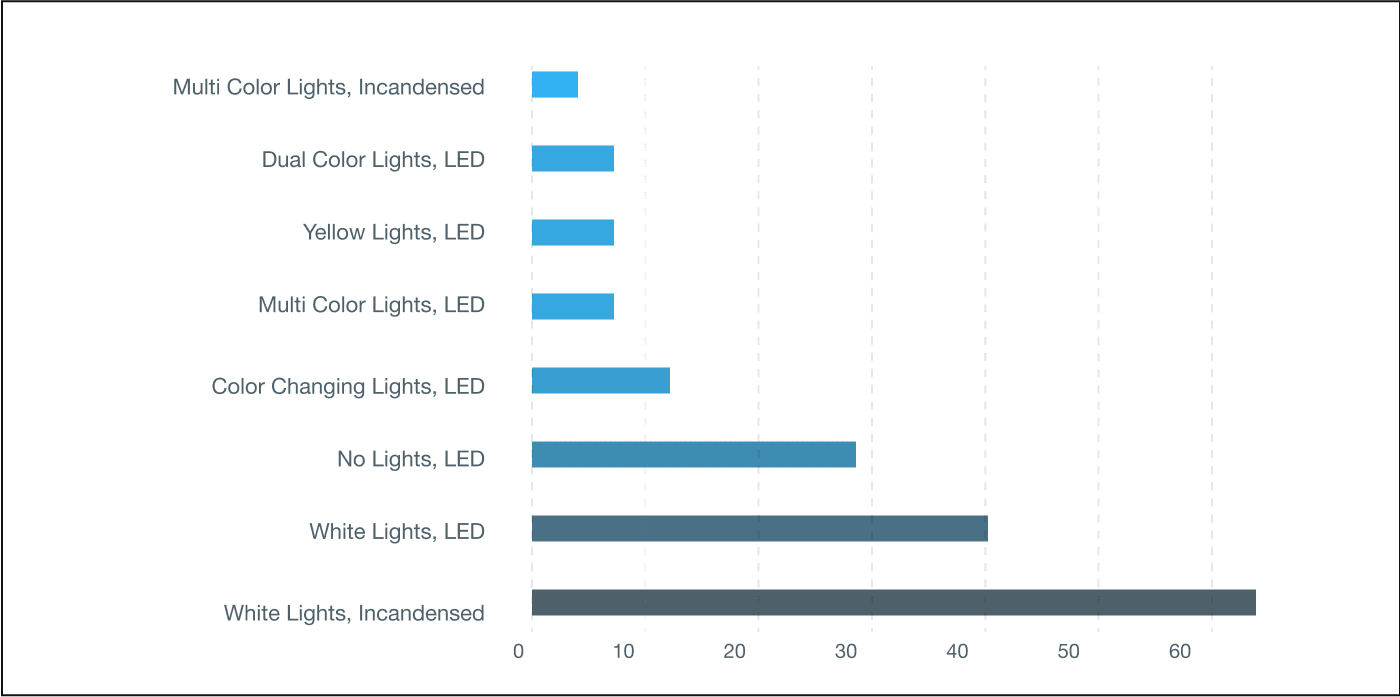
Respond to the market challenges
When regularly running similar matches, retailers remain aware of the situation on the market and get information about their competitors' actions. It allows category managers to make data-driven pricing decisions rather than follow their gut feel.

On average, factoring in competitive data brings a 3.5% uplift of profit and revenue.